
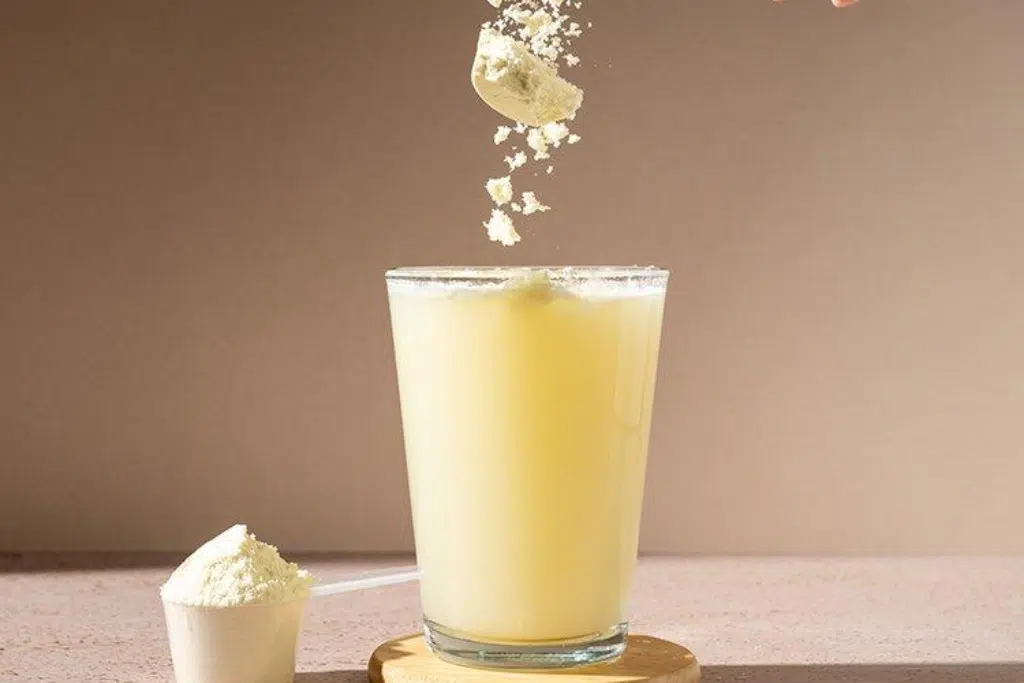
Beverage makers use pea protein in shakes, meal replacements, plant-based milk and ready-to-drink nutrition products. Common problems include clumps, sediment, excess thickness and a gritty or powdery feel.
Mixing alone cannot solve these problems. Pea protein solubility depends on pH, water temperature, hydration time and protein level. The other ingredients and chosen protein grade also matter.
A drink may look smooth after mixing but develop sediment or become too thick after heating and storage. Finding the cause helps formulators choose a suitable grade and improve stability.
What Affects Pea Protein Solubility?
Pea protein solubility depends on pH, water temperature, hydration time, protein level and mixing conditions. Sugar, minerals, fat, fiber and stabilizers can also affect how the protein behaves.
Pea protein tends to form aggregates near its isoelectric region. A higher protein level can increase thickness, sediment and grittiness. Moderate water temperature and enough hydration time may help dispersion. Too much heat can promote aggregation.
Test the protein in the full recipe under the intended processing conditions.
Why Does Pea Protein Settle in Beverages?
Pea protein sedimentation commonly results from one or more of the following factors:
Incomplete hydration
Some particles may not be fully hydrated even when the drink looks well mixed. They may settle during storage.
Protein aggregation
pH, minerals and heat can cause small protein particles to join into larger aggregates. These are more likely to settle.
Unsuitable protein functionality
Manufacturers design some pea protein grades for water binding, viscosity control or structural applications rather than low-viscosity beverages.
Insufficient suspension stability
Larger or denser particles can settle over time, particularly when the beverage does not have an appropriate stabilization system.
A protein may perform well before heating but aggregate after pasteurization or UHT processing. Formulators should therefore evaluate beverage stability before and after the intended commercial heat treatment.
How to Improve Pea Protein Solubility and Stability?
Several formulation and processing adjustments may help reduce common beverage problems:
- Add the pea protein gradually rather than introducing the full quantity at once.
- Use sufficient mixing energy while limiting excessive air incorporation.
- Allow enough time for complete protein hydration.
- Test the ingredient at the final pH and solids concentration.
- Evaluate the effects of minerals, sugar, fat, fiber and stabilizers.
- Use homogenization where appropriate to improve particle distribution and emulsion stability.
- Check stability after pasteurization, UHT or other heat treatments.
- Select a protein grade designed for the intended beverage type.
Processing adjustments can improve performance. However, the selected protein grade often determines whether the beverage meets its protein, viscosity, mouthfeel and stability targets.
Choosing the Right HydroPea® Grade
No single pea protein ingredient is suitable for every beverage application. The appropriate choice depends on the target protein concentration, viscosity, clarity, flavor profile and processing conditions.
HydroPea® is ZXCHEM’s branded range of pea protein ingredients for beverage, nutrition and food applications.
The range includes grades for different beverage requirements. These include creamy protein drinks, high-protein formulations and clear-style beverages.
HydroPea® C85B for Creamy Beverages and Protein Powders
HydroPea® C85B is a conventional pea protein isolate for protein powders, creamy shakes, plant-based milk and other opaque beverage systems.
This grade offers a practical balance of protein content and functionality. It is suitable for formulations that do not require very low viscosity or high beverage clarity.
Formulators should test HydroPea® C85B in the complete beverage system. Testing is especially important when the formulation contains minerals or fat, or undergoes commercial heat treatment.
HydroPea® H80 for High-Protein Beverages
When conventional isolates create excessive viscosity, sedimentation or graininess, a hydrolyzed pea protein may be more appropriate.
Hydrolysis breaks larger protein molecules into smaller fractions. The degree of hydrolysis and the manufacturing process affect ingredient performance. Hydrolysis may improve dispersion, reduce viscosity and support a smoother mouthfeel.
HydroPea® H80 suits protein beverages, meal-replacement drinks and powdered nutrition products. Formulators may evaluate it in high-protein ready-to-drink beverages that require lower viscosity and improved dispersion.
Formulators should test the final beverage for flavor, thermal stability and shelf-life performance.
HydroPea® S90 for Clear-Style or Light-Texture Protein Drinks
Clear-style, translucent or light-texture protein drinks generally require a more extensively hydrolyzed ingredient.
HydroPea® S90 is a highly hydrolyzed pea protein peptide. It is designed for beverage and nutrition products that require lower viscosity and a lighter texture.
A highly hydrolyzed protein may support improved clarity and dispersion. However, formulators should also evaluate bitterness, beverage color and flavor compatibility.
Formulators can compare HydroPea® C85B, H80 and S90 under the same processing conditions. This helps identify the most suitable grade for each beverage system.

| Beverage requirement | Suggested protein type | Recommended HydroPea® grade |
|---|---|---|
| Protein powder or creamy beverage | Conventional pea protein isolate | HydroPea® C85B |
| High-protein RTD beverage with viscosity concerns | Hydrolyzed pea protein | HydroPea® H80 |
| Clear-style or light-texture protein drink | Highly hydrolyzed pea protein peptide | HydroPea® S90 |
Quick Troubleshooting Guide
| Common problem | Possible causes | Recommended checks |
|---|---|---|
| Powder forms clumps | Powder added too quickly, insufficient agitation or poor wetting | Reduce the addition rate, improve powder wetting and adjust mixing conditions |
| Sediment forms during storage | Incomplete hydration, protein aggregation or insufficient suspension stability | Review pH, hydration time, homogenization conditions and protein grade |
| Beverage becomes too thick | High protein concentration, high total solids or an unsuitable protein grade | Review total solids and evaluate a lower-viscosity hydrolyzed protein |
| Gritty mouthfeel remains | Incomplete hydration, protein aggregation or larger insoluble particles | Improve hydration, particle dispersion and homogenization |
| Protein aggregates after heating | Limited thermal stability, unsuitable pH or mineral interactions | Test the complete formulation under actual heat-treatment conditions |
| Clear-style beverage becomes cloudy | Unsuitable protein grade, pH shift or mineral interaction | Evaluate a more highly hydrolyzed peptide and review pH and mineral content |
Test Under Real Processing Conditions
Pea protein performance should be evaluated in the complete formulation rather than only in water.
A meaningful beverage trial should record:
- Protein concentration
- Final pH
- Water temperature
- Mixing speed and time
- Hydration time
- Sugar and mineral content
- Homogenization conditions
- Heat-treatment conditions
- Viscosity and sediment during storage
Test C85B, H80 and S90 under the same processing conditions to identify the most suitable grade for the beverage.
Conclusion
Improving pea protein solubility requires more than increasing mixing time. pH, hydration, protein concentration, heat treatment and ingredient interactions all influence sedimentation, viscosity and mouthfeel.
Conventional pea protein isolate works well in creamy and powdered beverages. Hydrolyzed pea protein may be more suitable for high-protein, low-viscosity or clear-style beverage systems.
Developing a pea-protein beverage? Request C85B, H80 or S90 samples for side-by-side testing under your own formulation and processing conditions.
Request HydroPea® Samples & Specifications
Sourcing pea protein from China
When choosing a pea protein supplier in China, compare the selected grade, batch certificate of analysis, traceability and performance in your application. Ask for a sample and clarify packaging and export documentation before ordering.
Contact ZXCHEM with the intended application, required grade, quantity and destination. We reply with the specification, available documents and a quotation.